
Choosing the wrong studio rarely shows up right away. It surfaces months later as churn, weak reviews, and a rebuild you didn't plan for. This list is meant to help you avoid that. Below are the top mobile app design agencies in the USA that consistently ship apps people keep using, with what each one is good at, what it tends to cost, and how to tell which type of partner fits your product.
The market is crowded. Directories like Clutch list thousands of firms, and most look similar on a landing page. The real differences show up in who they build for, how they run a project, and whether design is part of their process or added at the end. That's the lens we used here, and it's a useful one when you build your own shortlist.
How we picked these agencies
We weighted four things over marketing polish. First, verified client reviews on Clutch and similar platforms, with attention to what clients said about communication and delivery rather than the star count alone. Second, portfolio depth in a specific niche instead of a "we do everything" pitch. Third, a design process that's visible and collaborative, which usually means wireframes, regular reviews, and handoff assets developers can build from. Fourth, staying power: teams that have run real programs for years.
None of these firms is right for every project. A regulated fintech platform needs a different partner than a simple consumer app, and the list reflects that range. For a broader view beyond mobile, our roundup of the top digital design agencies covers web and product studios too.
Top mobile app design agencies in the USA
1. Fivecube
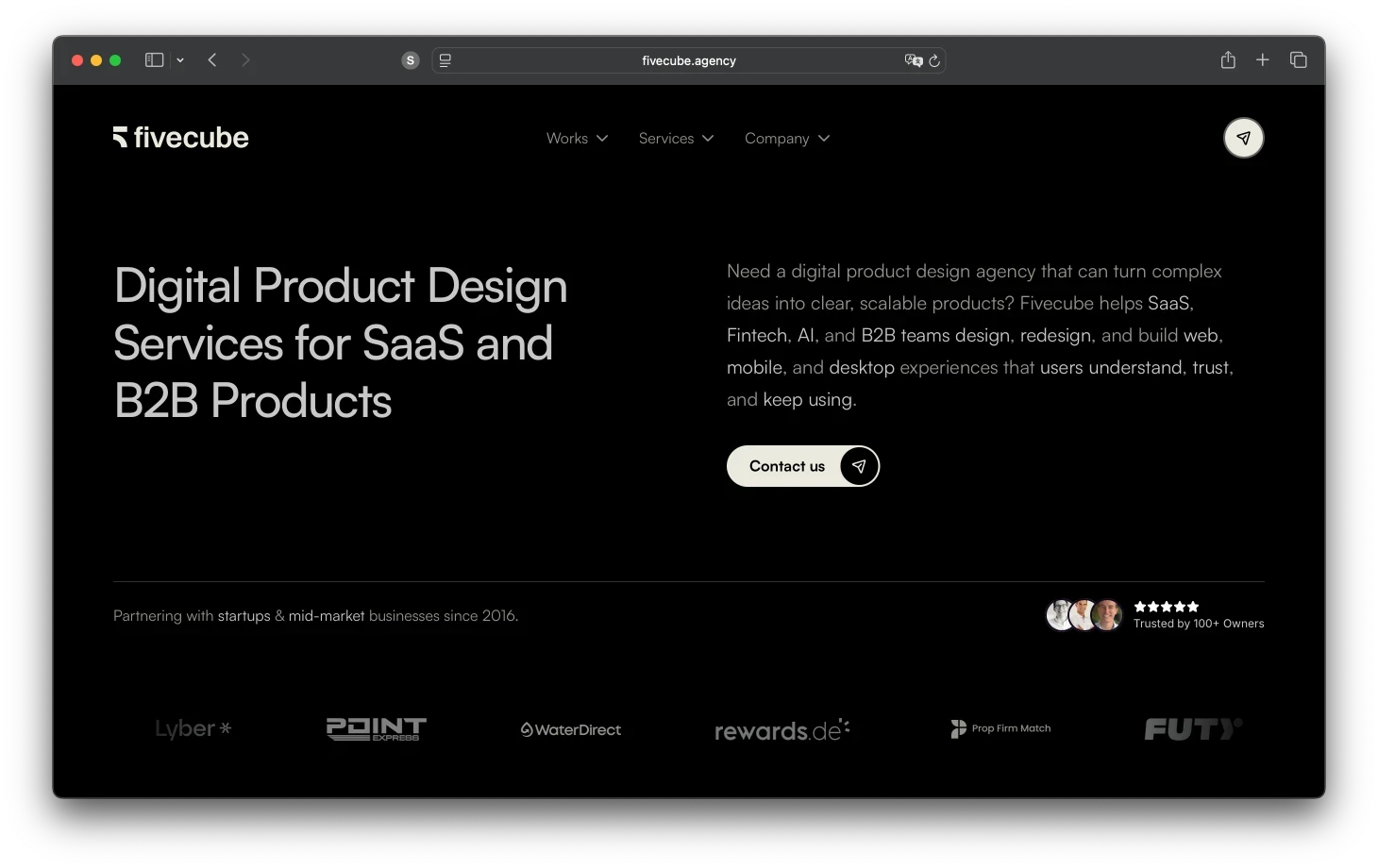
Fivecube is a digital product design agency built for SaaS, Fintech, AI, and B2B teams, and that focus is the point. Since 2016 the studio has designed and shipped web, mobile, and desktop products for 100+ owners, with a Clutch track record that repeats the same themes: clear communication and on-schedule delivery. The team works to a "keep it simple" principle, which in practice means fewer overengineered flows and products users understand on the first try.
What sets Fivecube apart is design and engineering under one roof. You can come in for user onboarding, a full MVP, a UX overhaul, or platform-specific mobile work, and leave with a coherent product rather than a set of Figma files that still need translating. That matters most in fintech and AI, where trust-building flows and regulatory-aware design are part of the job. The mobile app design services page explains how a project runs from research to handoff, and the case studies show it applied to shipped apps like Norma, Lyber, and Packiyo.
Best for: SaaS, fintech, and B2B founders who want design and development from one accountable team.
Location: Works with US clients across time zones.
Notable strength: Turning complex, data-heavy products into interfaces users trust.
2. Utility
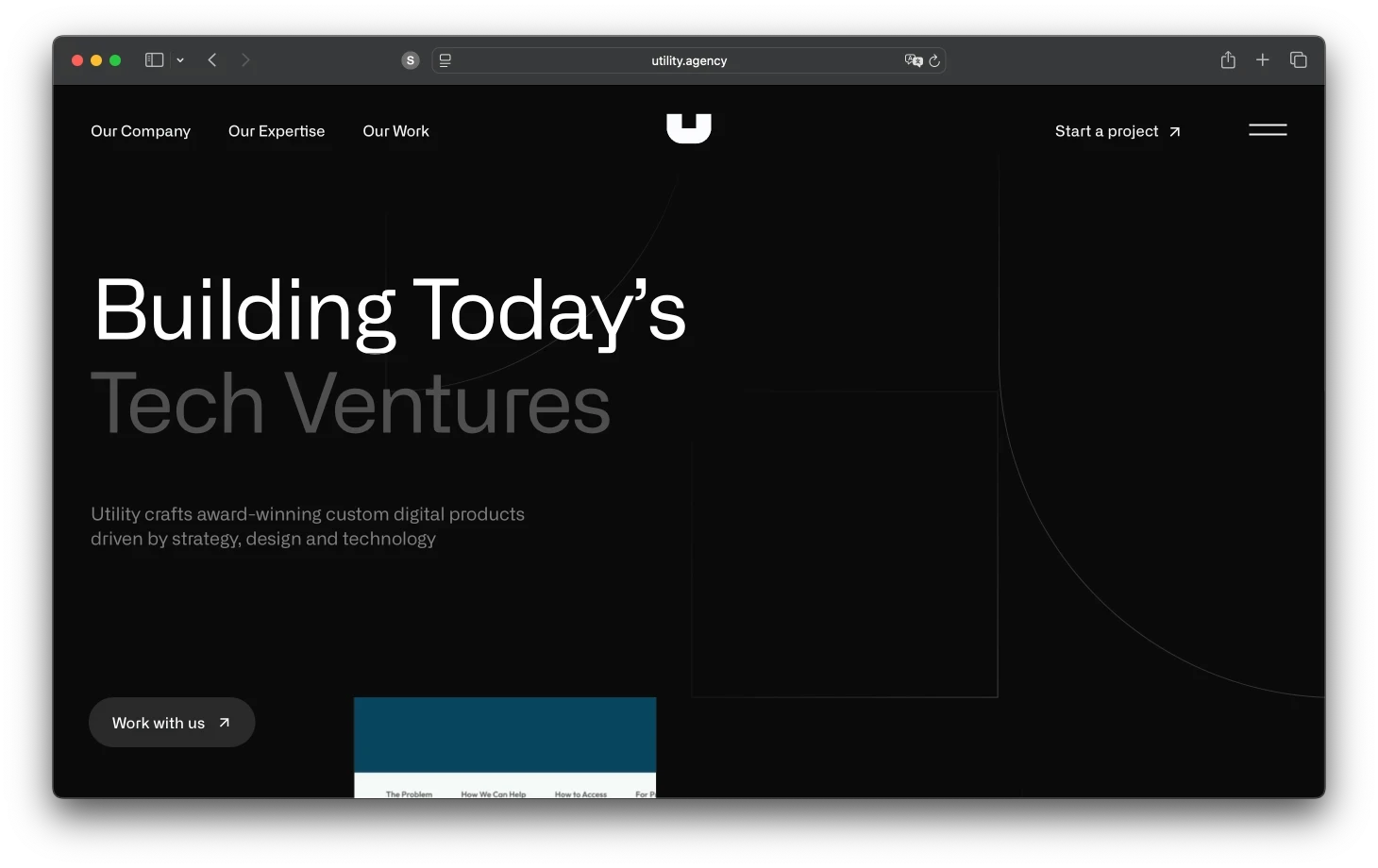
Utility is a New York agency, founded in 2013, with a second office in Los Angeles. It takes products end to end, from strategy and design through launch and growth, across iOS, Android, and React Native, and has delivered 150+ projects for brands including Airbnb, Coca-Cola, Samsung, and the NBA. Its Clutch profile carries strong reviews across consumer and enterprise work. A dependable pick when you want one partner to own the roadmap from idea to app store, though the full-service model comes at a premium.
3. Goji Labs
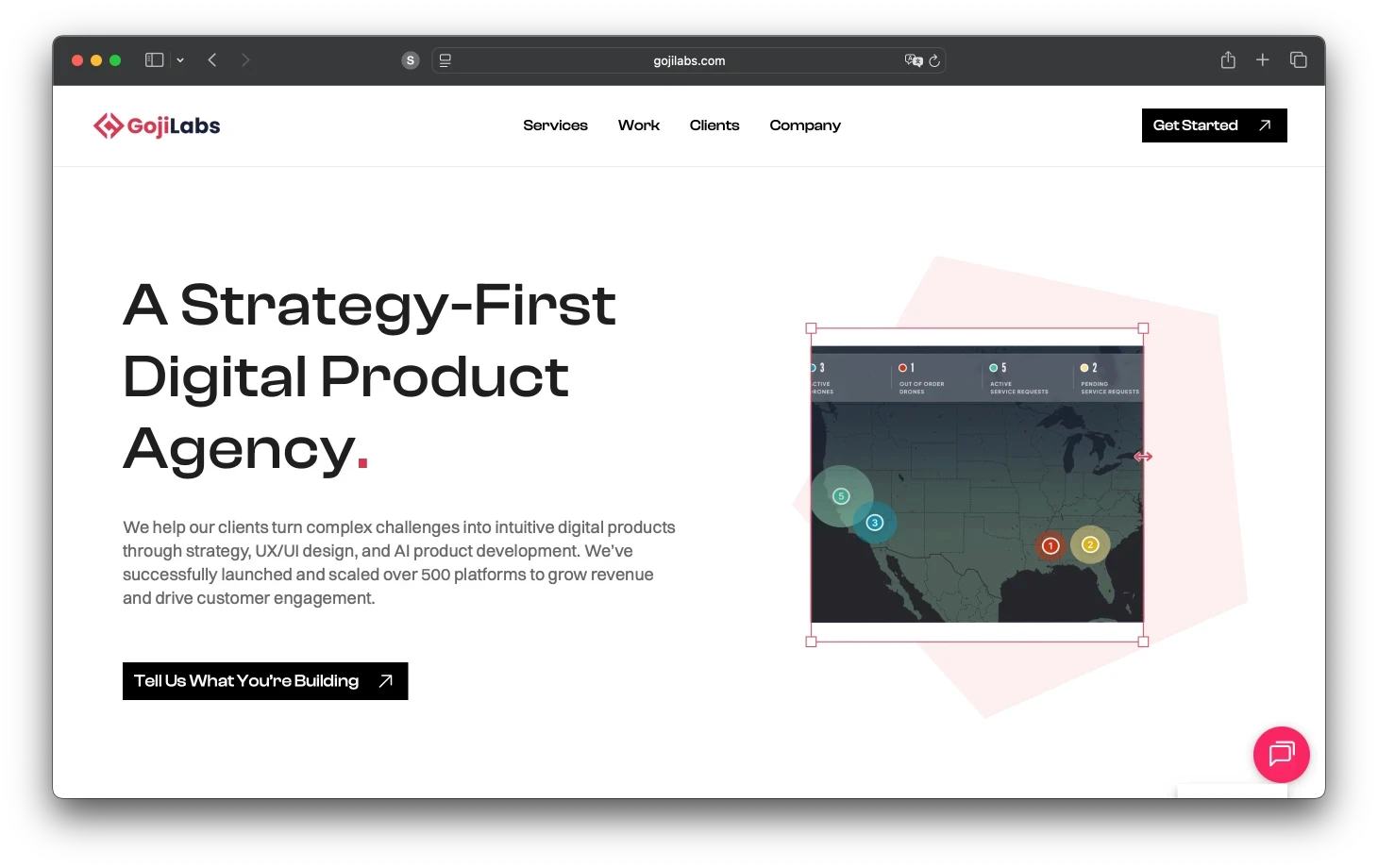
Based in downtown Los Angeles, Goji Labs has launched 400+ products and helped clients raise more than $1B in funding, working with startups, enterprises, and non-profits. Its strength is flexibility: it will scope a lean MVP or a larger build without forcing you into a fixed template. Design and development sit close together, which helps when requirements shift mid-project.
4. STRV
STRV is a full-service product development company founded in 2004, with US offices in California and New York alongside a large engineering hub in Prague. It's known for engineering quality and a collaborative approach with founders, and its design work favors clean, performance-minded interfaces. A fit for teams that care about the codebase as much as the mockups, and that want a partner comfortable working alongside an in-house team.
5. Lickability
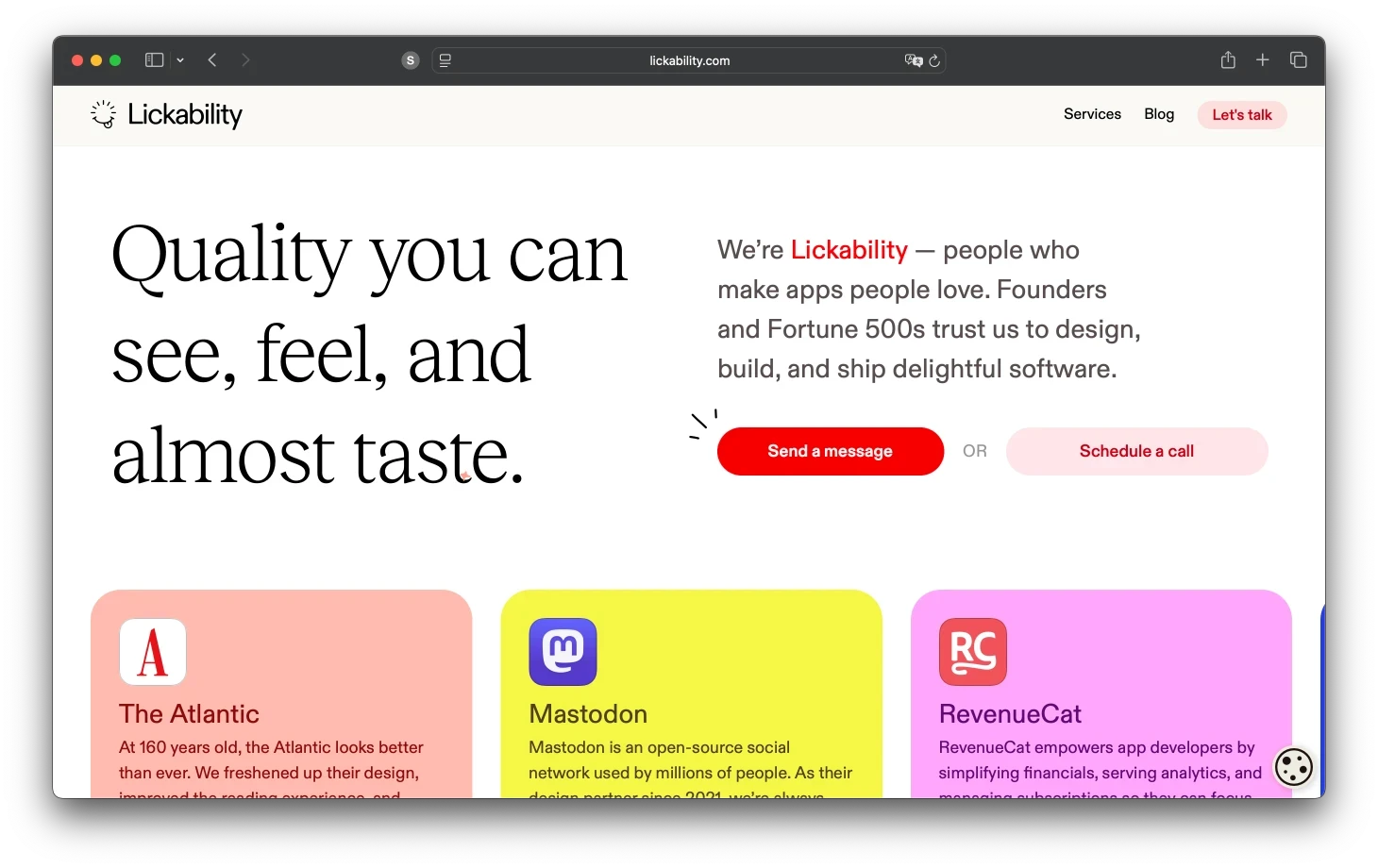
Lickability is a small, detail-focused NYC studio founded in 2009, building high-performance apps for iOS, Android, macOS, and visionOS. It has been Mastodon's design partner since 2021, and its work has been featured in the App Store many times. A good choice when polish and reliability matter more than breadth, with senior attention rather than a large rotating team.
6. Calibrate Software
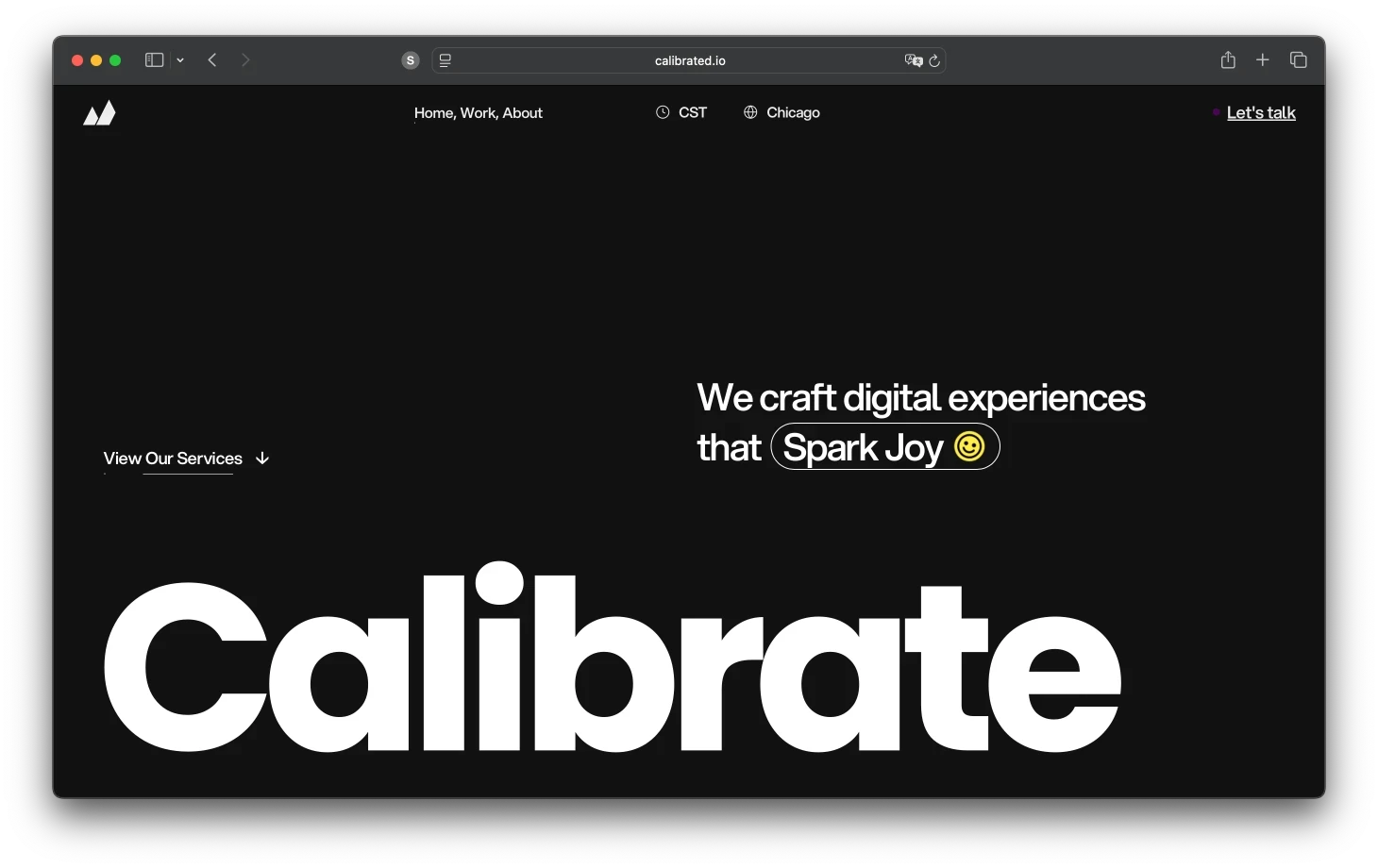
Chicago-based Calibrate Software, founded in 2017, folds UX directly into development rather than treating it as a separate phase. Its portfolio spans fintech, healthcare, e-commerce, and consumer work, with clients including Wilson Sporting Goods and StarPlus Energy. A good fit when you want design thinking carried through the whole engineering process.
7. MindInventory
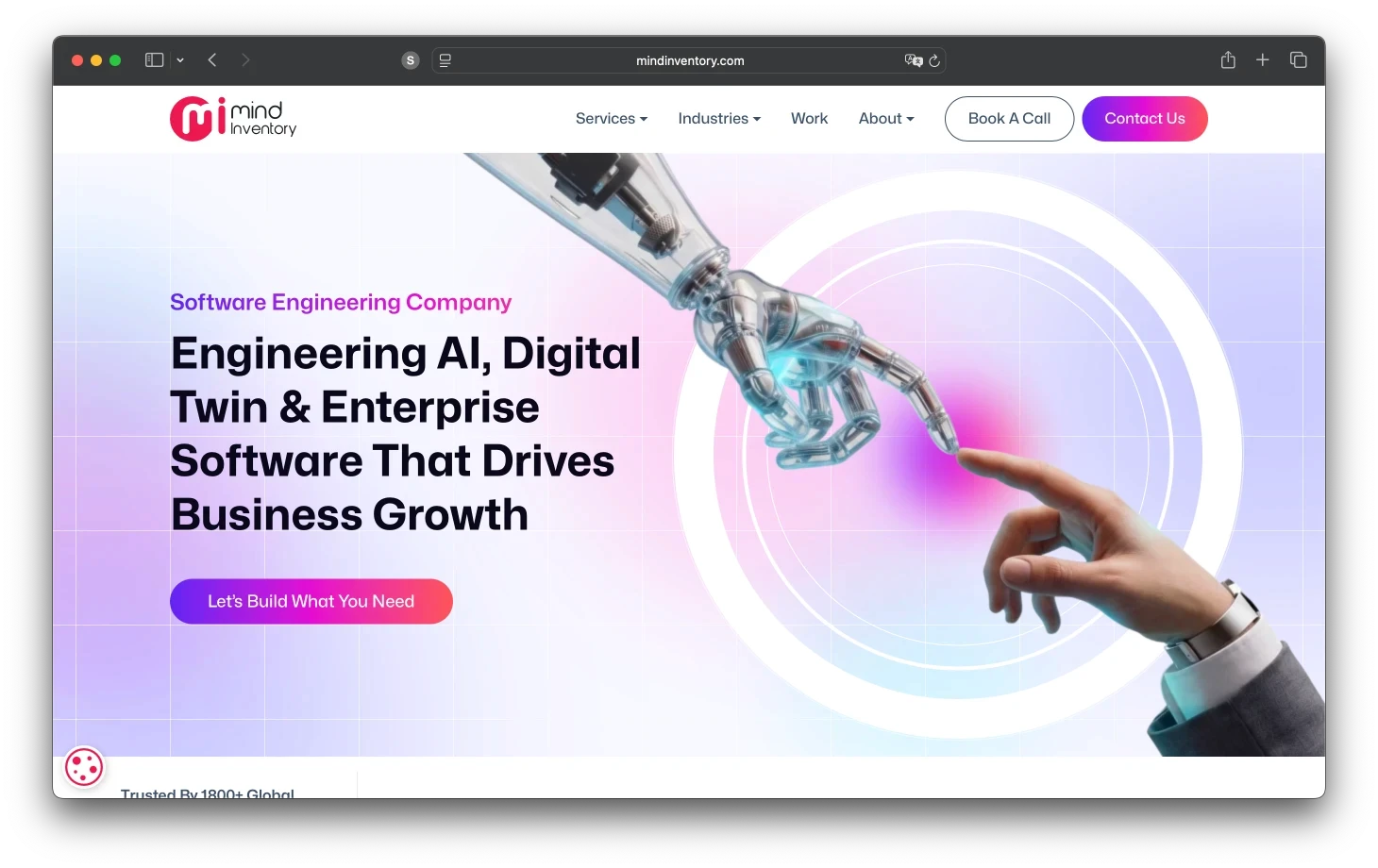
MindInventory has been featured by Clutch, GoodFirms, and DesignRush, and has delivered 2,500+ projects. With a team of 300+ and a US office in Houston, it can staff larger programs across a broad technology stack. Worth a conversation when you need scale and a wide range of in-house capabilities rather than a boutique feel.
8. Appinventiv
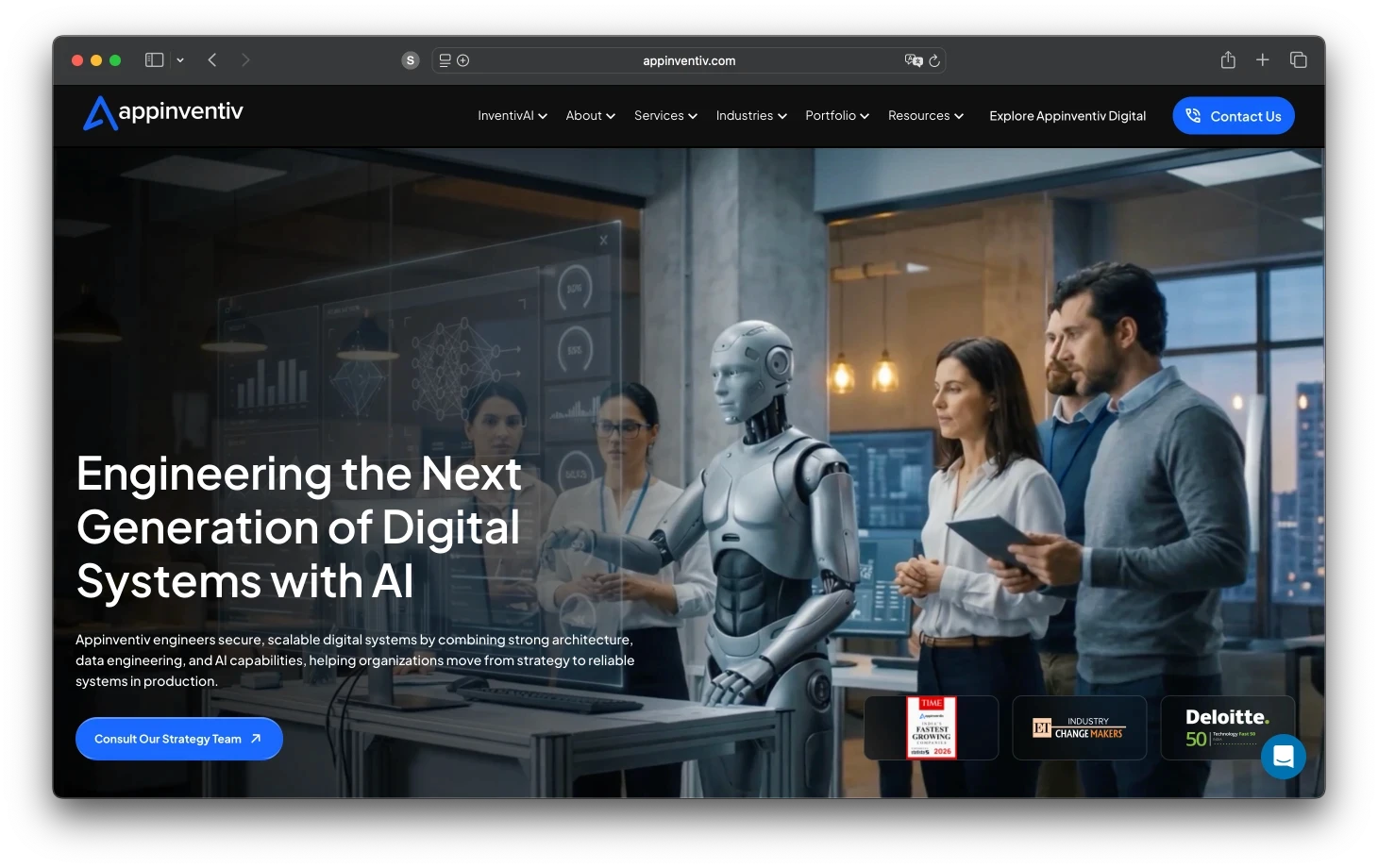
Appinventiv pairs mobile app design with heavy engineering and rollout capacity. Founded in 2015, it has grown to 1,600+ people and shipped 3,000+ products for clients including KFC, Adidas, and IKEA, with US offices supporting large programs. Built for enterprise-scale, cross-platform work rather than a quick MVP, so it fits genuinely large and complex scopes.
9. Telus Digital (ex WillowTree)
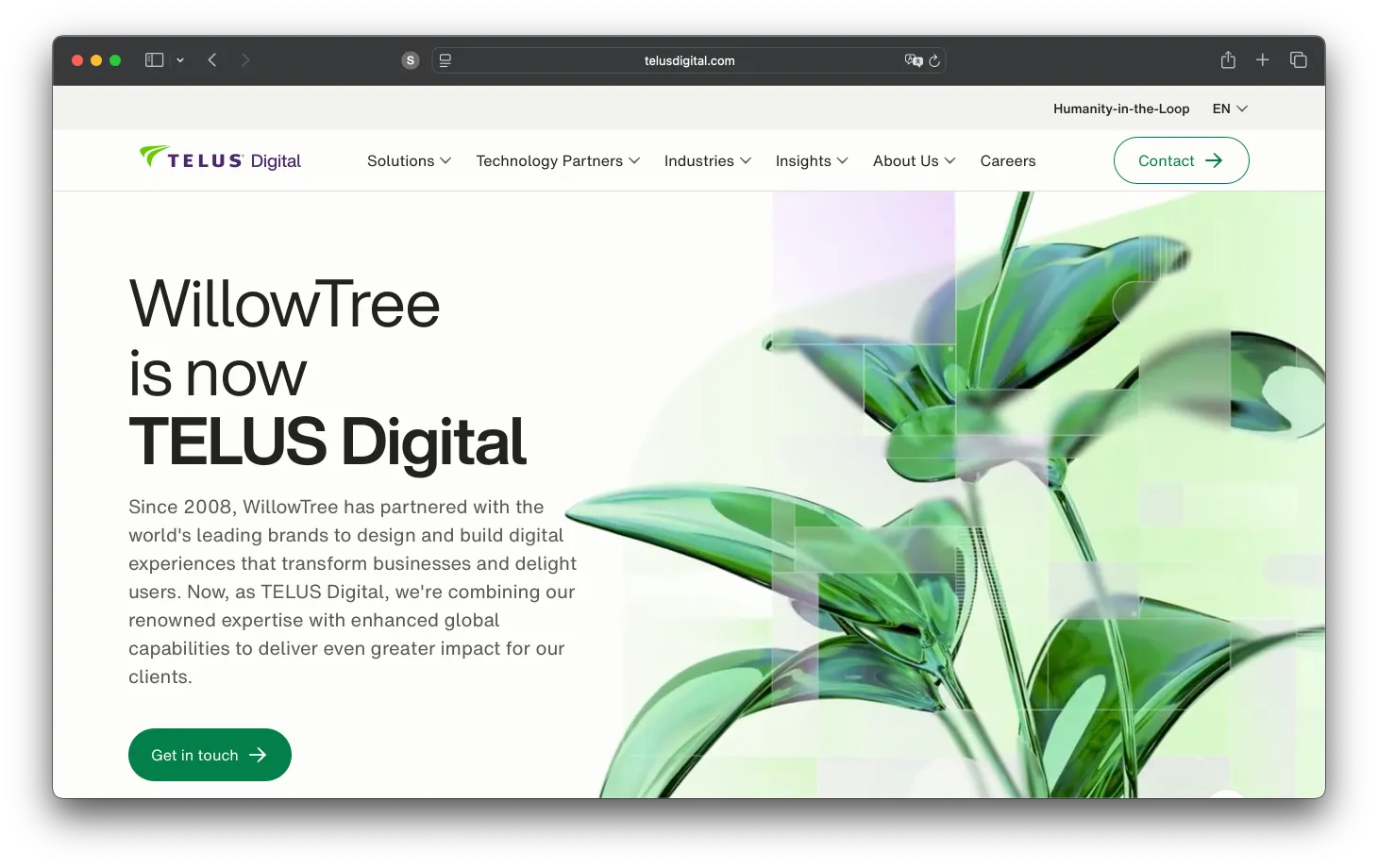
WillowTree, founded in 2007 and headquartered in Charlottesville, is one of the most recognized product studios in the country, with 300+ apps shipped for brands like PepsiCo, Johnson & Johnson, and GE. Its design and research practice is deep, and it's set up for complex, multi-platform programs with rigorous testing. This is enterprise territory, with pricing to match, so it suits funded companies more than early-stage founders.
10. Ramotion
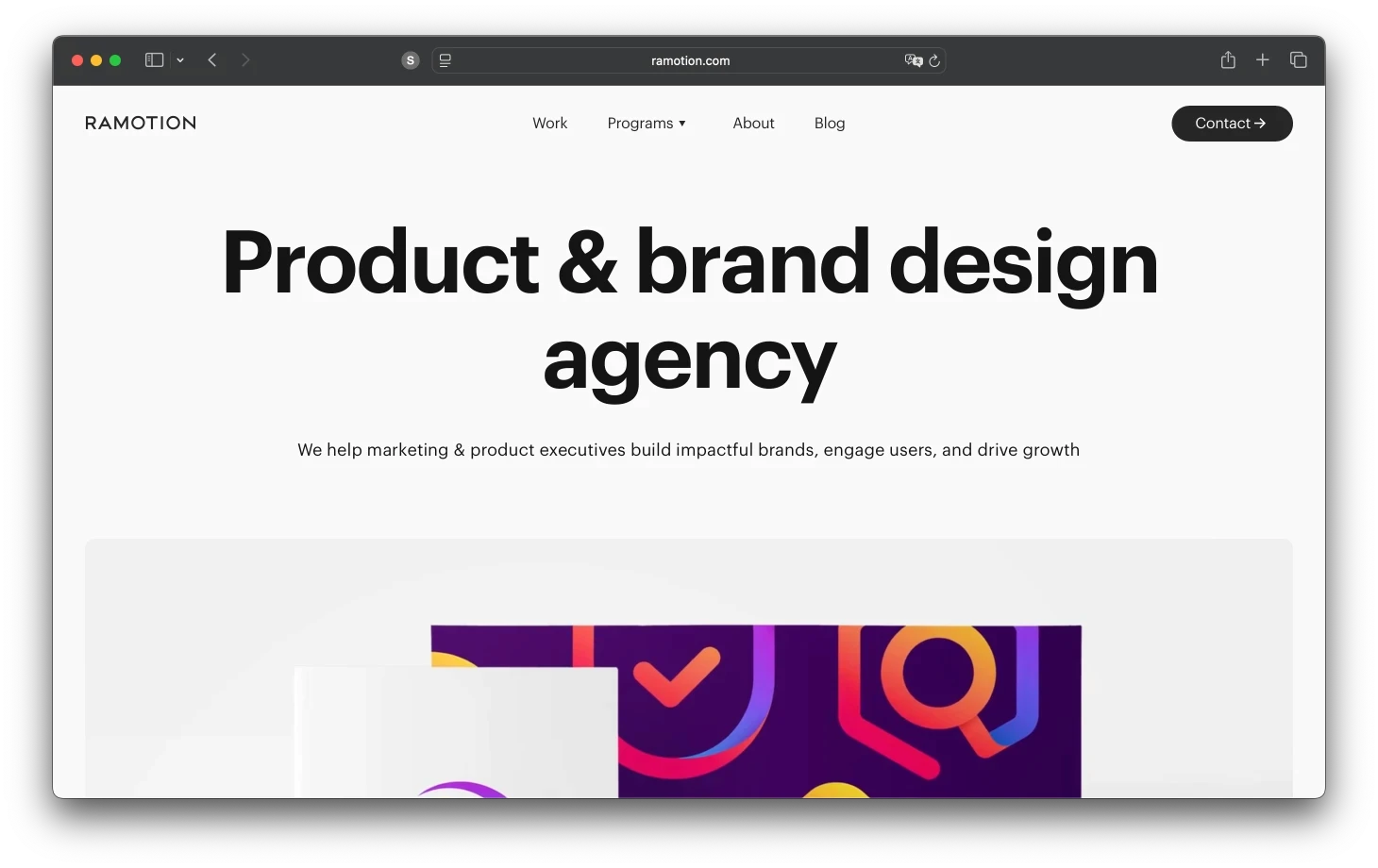
Ramotion is a San Francisco agency with 15+ years of work spanning brand identity and product design. Its client list includes Salesforce, Netflix, Okta, and Adobe, and its portfolio covers Firefox's identity system. A strong choice when brand identity and interface design need to move together; startups that want a memorable, cohesive look often start here.
Turn Your App Idea into a Standout Digital Product
Need a world-class UI/UX design or a complete product refresh? Partner with top-tier app design specialists who turn complex ideas into intuitive, high-converting mobile experiences.
How to choose a mobile app design agency
Design-only vs full-cycle agencies
Not every agency does the same job, and the difference affects your budget and timeline. Design-only studios hand off polished UI and prototypes, then step back; your own engineers or a separate dev shop take it from there. That works well when you already have a strong build team and need design support for a defined stretch.
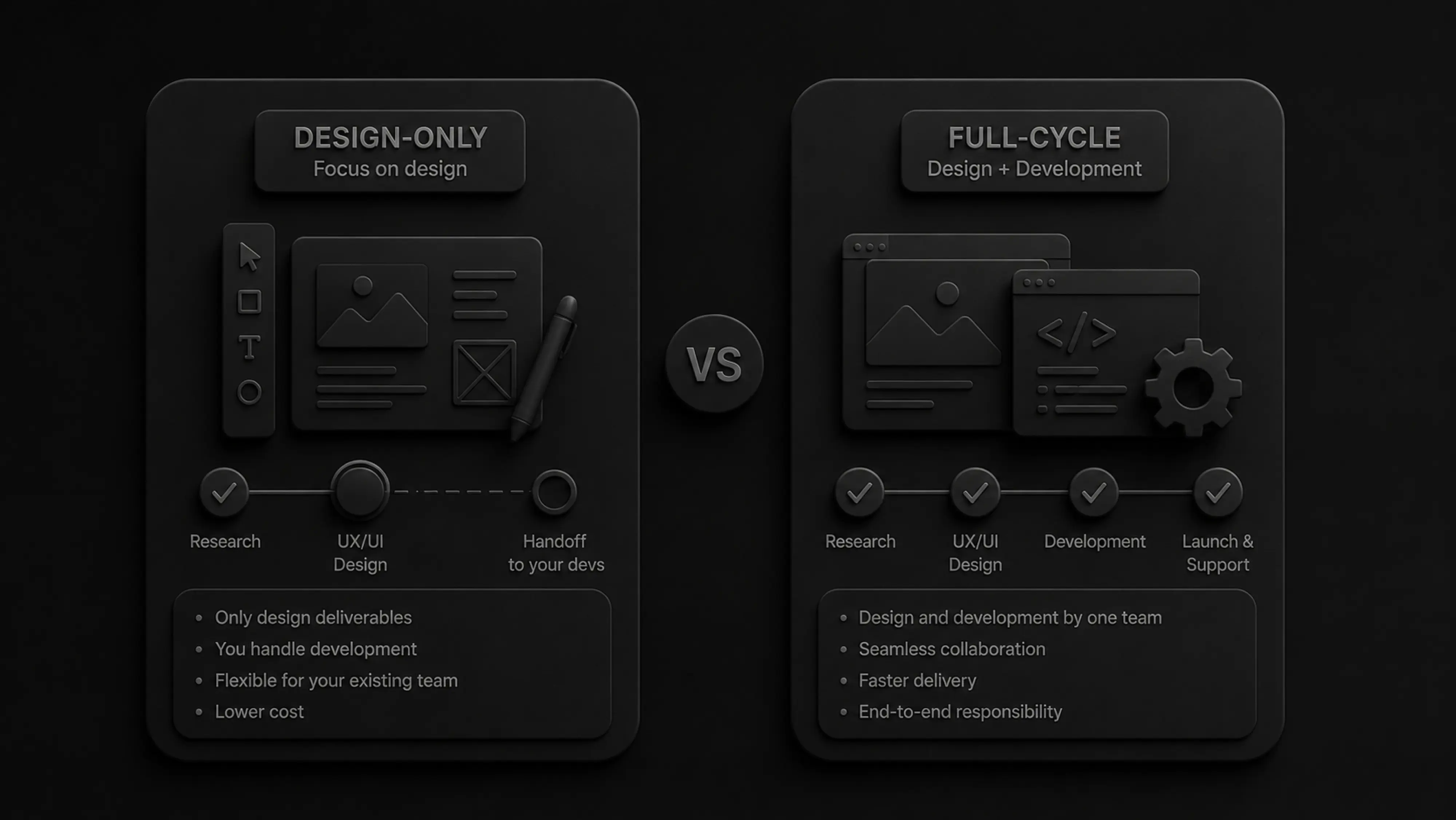
Full-cycle agencies design and ship. They own the product from research through code and launch, which removes the point where design intent can get lost on the way to developers. That handoff is where many apps lose quality, so for teams without in-house engineering, a full-cycle partner like Fivecube often works out more economical over the life of the product even when the initial price looks higher. If you're validating an idea rather than scaling one, an MVP development engagement keeps that first build lean.
The mismatch to avoid is hiring a design-only studio when you have no one to build the result, or paying for full-cycle when your engineers are ready and available. Match the model to what you already have.
How much app design costs in the USA
Pricing tracks with scope, and the range is wide. A basic 10-screen utility app starts around $5,000, while a complex enterprise or regulated platform can run past $200,000. The main drivers are screen count, research depth, app complexity, and whether you hire a freelancer, a small studio, or a specialized agency.
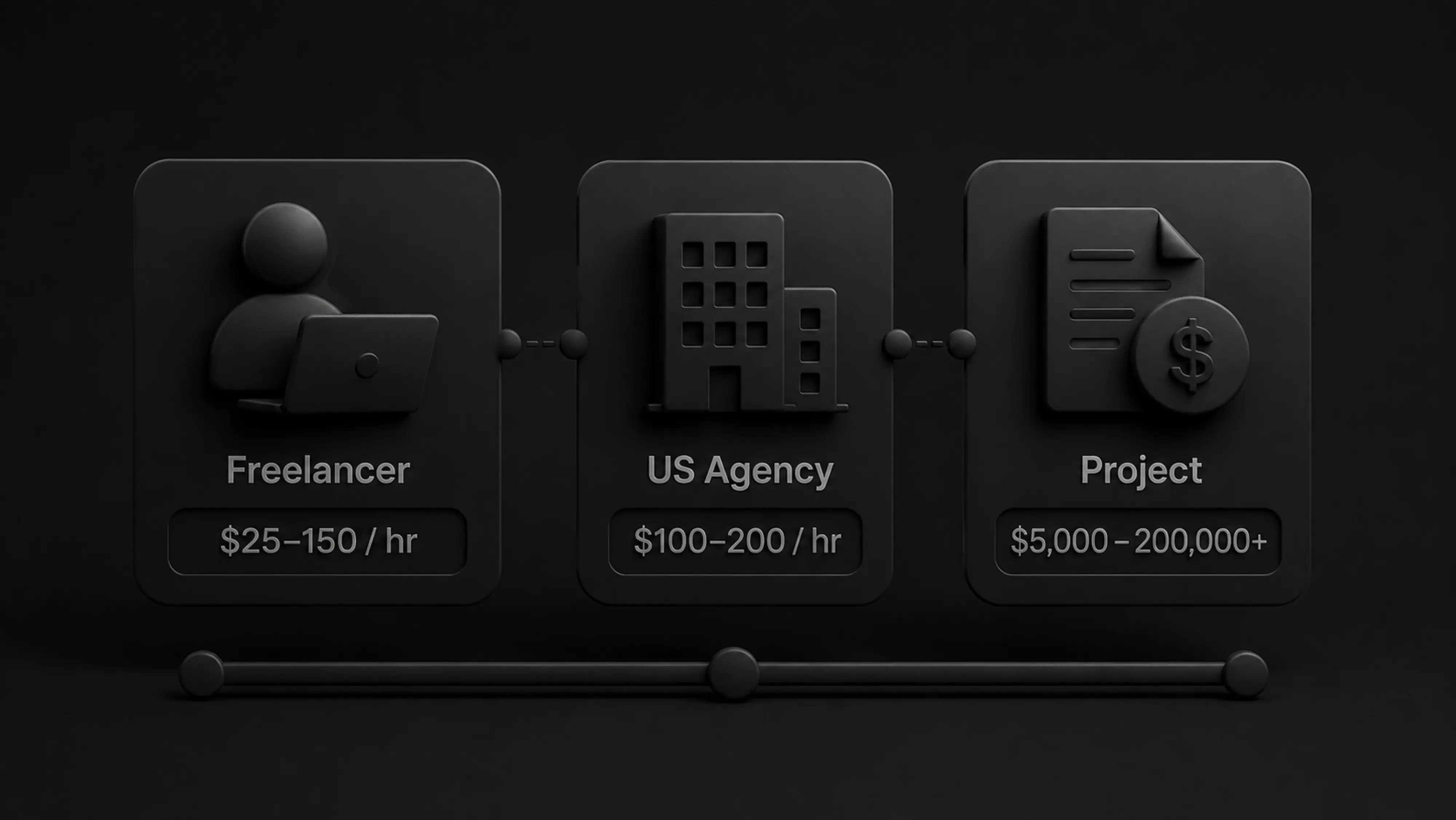
By team type, freelance UI/UX designers typically charge $25 to $150 an hour depending on experience. Specialized US agencies run $100 to $200 an hour, and many will quote a fixed project price for a defined scope, which is usually more predictable than hourly billing on a complex build. Our broader pricing guide breaks down what moves these numbers if you want to sanity-check a quote.
Timelines follow the same logic. A simple 10-screen app takes roughly four to six weeks from research to developer handoff. A medium 25-screen app runs eight to twelve weeks. A 50-screen platform with full research and usability testing can take four to six months, depending on revision cycles. Building in time for a round or two of testing is worth it; the apps that skip it are usually the ones that need a redesign later, when the fix costs more than the testing would have.
The bottom line
The strongest agency for you is the one whose niche, working model, and communication style match your product. Enterprise teams with funding and in-house engineers have different needs than a solo founder shipping a first fintech MVP. Shortlist three, ask the questions above, and weigh how each team behaves week to week rather than the logos on its homepage. For SaaS, fintech, AI, and B2B products specifically, Fivecube combines that niche depth with design and development in one team, so little gets lost between the prototype and the build.
By
Fivecube Team
Frequently Asked Questions
How much does it cost to design a mobile app in the USA?
Anywhere from about $5,000 for a simple 10-screen app to $200,000 or more for a complex, regulated platform. Specialized US agencies typically charge $100 to $200 per hour, and many offer fixed project pricing for a defined scope.
How do I choose the right mobile app design agency?
Weigh portfolio depth in your niche, a visible and collaborative design process, clear pricing without hidden fees, and client reviews that specifically praise communication and on-time delivery. Fit with your product type matters more than the lowest quote.
What's the difference between a design agency and a freelancer?
A freelancer is cheaper and fine for small, well-defined work, but a single person is a bottleneck and rarely covers research, UI, and developer handoff at scale. An agency brings a team, a repeatable process, and continuity if someone is out, which matters on larger or longer projects.
How long does mobile app design take?
A simple 10-screen app takes about four to six weeks, a medium 25-screen app eight to twelve weeks, and a complex 50-screen platform four to six months including research and usability testing.
Should I hire a design-only or full-cycle agency?
Choose design-only if you already have engineers to build the result. Choose full-cycle if you don't, since owning design through development removes the handoff gap where app quality tends to slip.
Do US agencies design for both iOS and Android?
Most do. Many also work in cross-platform frameworks like React Native so a single design system can serve both platforms, which saves time and keeps the experience consistent across devices.
Previous Article

Next Article

Want a tailored solution?
Let’s build something great together!